
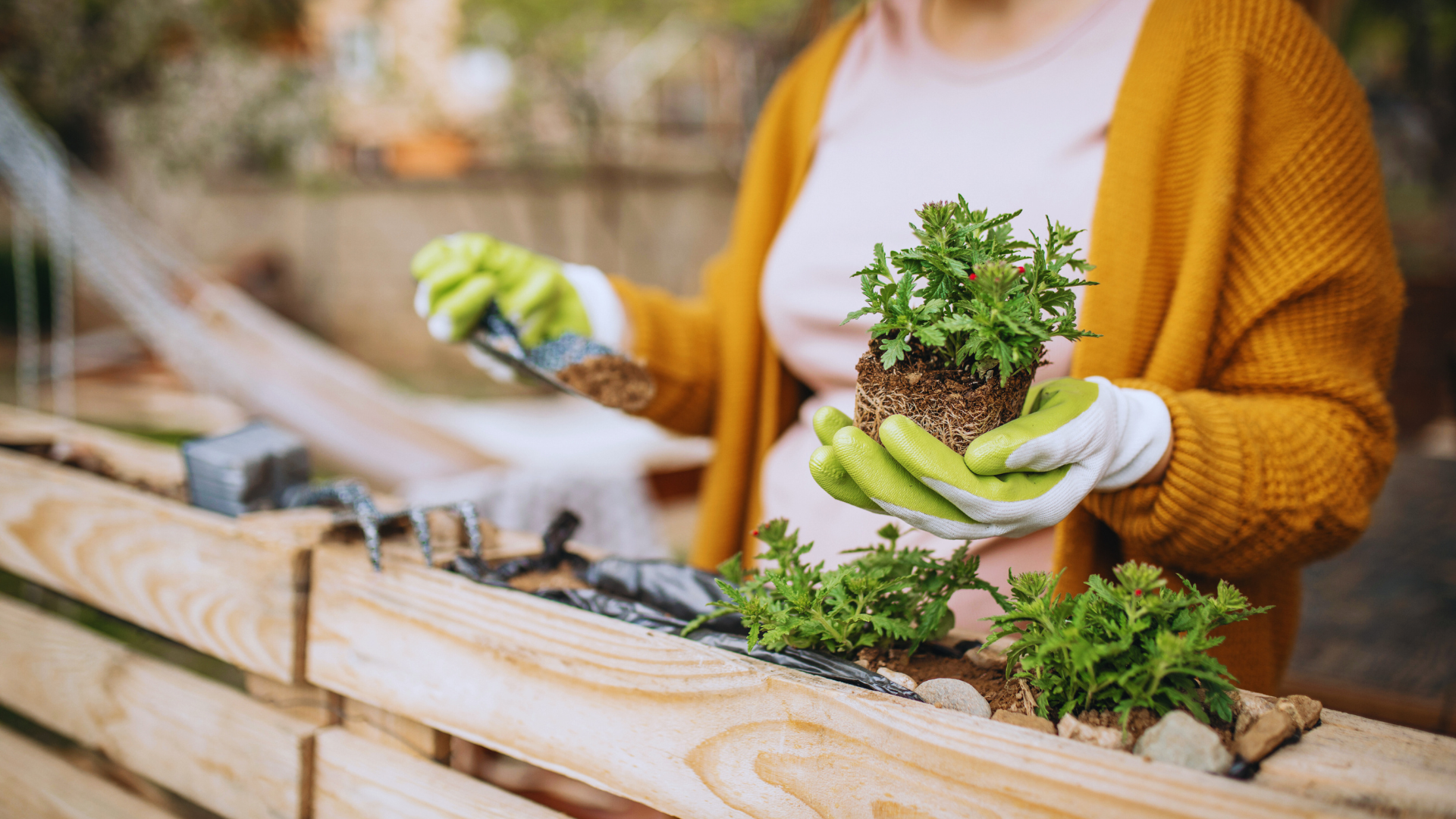
Exploring new hobbies can lead to significant personal growth and enhance overall well-being. Engaging in activities outside of one’s routine not only fosters joy and fulfillment but also contributes positively to mental health. As individuals embrace fresh pursuits, they often discover hidden talents and interests that enrich their lives in unexpected ways.
The experience of trying something new can be motivating and invigorating. Each hobby has the potential to unlock creativity while providing a healthy outlet for stress and anxiety. This exploration allows for meaningful connections with others who share similar interests, further boosting one’s sense of community and belonging.
In a fast-paced world, setting aside time for new hobbies encourages individuals to prioritize self-care. This commitment to personal enjoyment and exploration can significantly enhance their quality of life. By building new skills and experiences, they cultivate a happier and more fulfilling existence.
The Benefits of Developing New Hobbies
Exploring new hobbies significantly contributes to various aspects of life. Engaging in activities outside one’s routine fosters mental wellness enhances physical health, and strengthens social ties.
Mental and Emotional Well-Being
Taking up new hobbies can greatly improve mental health. Engaging in creative pursuits can trigger the release of dopamine, leading to increased feelings of happiness. This can mitigate symptoms of anxiety and depression.
Additionally, hobbies offer a structured way to practice mindfulness. Focusing on a task helps individuals stay present, thereby reducing stress levels. As people engage in new interests, they often experience a profound sense of self-discovery, which enhances emotional resilience. Creating challenges within hobbies also fosters a sense of accomplishment. Successfully mastering a new skill builds confidence and positively impacts self-esteem.
Physical Health and Stress Relief
Pursuing active hobbies, such as dancing or hiking, contributes to better physical health. Regular movement strengthens the cardiovascular system and improves overall fitness. Physical activity also releases endorphins, which are known to alleviate stress.
Moreover, hobbies that require concentration engage the mind in a way that distracts from daily worries. This diversion is crucial for stress management, offering a reprieve from life’s demands. Incorporating physical activity with relaxation techniques, like yoga or gardening, further promotes well-being. These practices help rebalance the body and mind, enhancing the overall quality of life.
Enriching Social Connections
Developing new hobbies can lead to enhanced social interactions. Joining clubs or classes allows individuals to meet others with similar interests, nurturing a sense of community. Building these connections fosters feelings of belonging and acceptance.
Group activities promote collaboration and teamwork. Playing games, especially those that require interaction and problem-solving, can be a fun and engaging way to build connections. For example, some of the best murder mystery games encourage participants to work together, communicate effectively, and immerse themselves in shared roles, all while enjoying a sense of play and creativity. These kinds of activities not only enrich friendships but also help strengthen important social skills.
Effective social connections contribute to mental wellness. They provide a network for encouragement and motivation, reinforcing positive behavior changes. The friendships formed through hobbies can result in lifelong bonds, further enhancing emotional health.
Overcoming Barriers to New Hobbies
Many individuals face obstacles when considering new hobbies, often rooted in self-doubt and the fear of failure. Identifying these barriers is essential for personal growth and starting a new interest. Building self-confidence and setting realistic goals can facilitate this process.
Addressing Self-Doubt and Fear of Failure
Self-doubt can paralyze individuals from pursuing new hobbies. Recognizing that everyone experiences these feelings is crucial.
- Acknowledge Emotions: Accepting feelings of inadequacy can reduce their power.
- Reframe Negative Thoughts: Shift focus from fear to curiosity. Viewing challenges as opportunities for growth fosters a healthier mindset.
Fear of failure often leads to avoiding new experiences. Celebrating small victories, no matter how minor, can significantly boost self-esteem. Each achievement builds confidence, leading to a greater willingness to undertake new challenges.
Setting Achievable and Realistic Goals
Defining specific, measurable, and realistic goals is vital for success. Overly ambitious goals can lead to discouragement.
- Break It Down: Divide larger goals into smaller, manageable tasks. This approach helps maintain focus and motivation.
- Set Timeframes: Assign timelines to each goal to create accountability.
Realistic objectives ensure that progress feels attainable. As individuals accomplish these tasks, they cultivate self-confidence and expand their comfort zones. This structured approach encourages persistence and a positive outlook towards new hobbies.
Exploring and Choosing Hobbies
Choosing a new hobby involves assessing personal interests and talents and finding ways to integrate them into daily life. Exploring various hobbies can promote lifelong learning and personal growth.
Assessing Personal Interests and Talents
Identifying personal interests is the first step in selecting a new hobby. Individuals can start by reflecting on activities that previously brought them joy. They may consider hidden talents that have not been fully explored, such as drawing or playing a musical instrument.
A simple exercise is to list hobbies that seem appealing and explore them more deeply. This might include researching painting techniques, songwriting, or the basics of pottery. Understanding preferences helps narrow down the choices. Taking a personality quiz can also provide insights into suitable hobbies. This might lead to discovering new interests that align with one’s natural inclinations.
Incorporating Hobbies into Your Routine
Integrating hobbies into a daily routine requires flexibility and commitment. Setting aside specific times during the week can help individuals prioritize their new interests. Consistent practice is essential for improvement and enjoyment. Individuals might choose to start small, dedicating just 30 minutes a few times a week. This could involve joining a book club to connect with others or taking short hikes in nature.
Establishing a designated space for hobbies, such as a crafting area or a music corner, can enhance motivation. Keeping materials organized encourages spontaneous engagement, making it easier to turn free moments into creative time.
Diverse Hobbies for Different Lifestyles
People can engage in a variety of hobbies that suit their unique lifestyles. For those with limited time, activities like writing or gardening can be tailored to fit busy schedules. Active individuals might enjoy hiking or outdoor photography, which combines exercise with creativity. Indoor options such as pottery or painting allow for relaxation and self-expression without needing extensive travel.
Consideration of social aspects is also important. Joining a local club or group can provide a sense of community, whether through a hiking group or a photography club. The key is finding hobbies that resonate personally and can be enjoyed consistently.
Growing Through Hobbies
Engaging in new hobbies fosters personal growth by enhancing resilience and problem-solving abilities, while also encouraging continuous learning and self-expression. These aspects can significantly impact emotional well-being and skill development.
Building Resilience and Problem-Solving Skills
Hobbies often present challenges that require individuals to adapt and overcome obstacles. This process builds resilience, as facing difficulties in a creative context helps enhance one’s ability to manage stress.
For instance, learning to play a musical instrument can involve repeated failures before achieving success. Each setback teaches valuable lessons about perseverance. Additionally, problem-solving skills improve as individuals navigate the complexities of their chosen hobbies. Crafting, for example, requires planning and execution, allowing them to troubleshoot and find solutions to common issues.
Continuous Learning and Self-Expression
Pursuing hobbies promotes continuous learning through exploration and experimentation. As individuals engage with new skills, they discover their capabilities and potential for growth. Activities like painting or writing offer platforms for self-expression. This expression is crucial for emotional support and mindfulness. Creative outlets enable individuals to articulate feelings and thoughts, leading to greater self-awareness.
Moreover, the journey of discovery associated with new hobbies encourages self-exploration. As individuals delve into various interests, they often uncover hidden talents and passions, enriching their lives significantly.